How Resistance Training Supports Healthy Bone Density
Bone is constantly adapting
Bone is living tissue. Throughout life, old bone is broken down and new bone is formed. When bones are exposed to appropriate mechanical loading, they receive a signal to maintain or improve their strength. When loading is consistently too low, bone can gradually become less robust.
Bone mineral density is influenced by age, hormones, genetics, nutrition, medication, medical history and physical activity. Exercise is therefore not the only factor, but it is one of the most important modifiable behaviours.
Why walking may not be enough
Walking supports general health and is weight bearing, but the body becomes efficient at familiar activities. For many people, normal walking does not create a strong enough new stimulus to meaningfully improve bone density. Bone responds best when loading is greater than what it routinely experiences, applied safely and progressed over time.
The three-part approach
Current bone-health guidance consistently highlights three complementary forms of training:
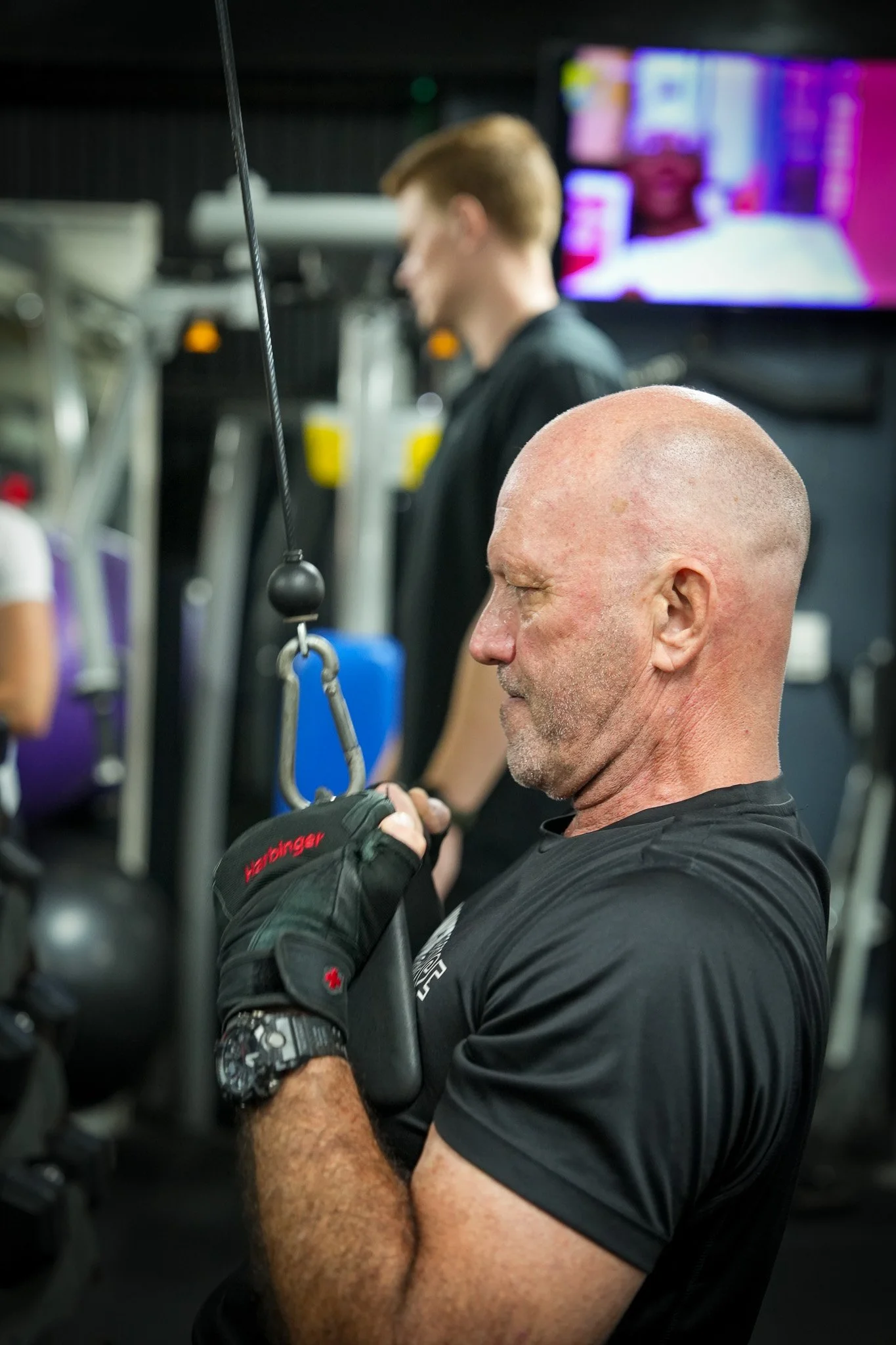
1. Progressive resistance training loads muscles and the bones they attach to. Exercises such as squats, hinges, presses, rows, step-ups and loaded carries can be progressed to create a meaningful stimulus.
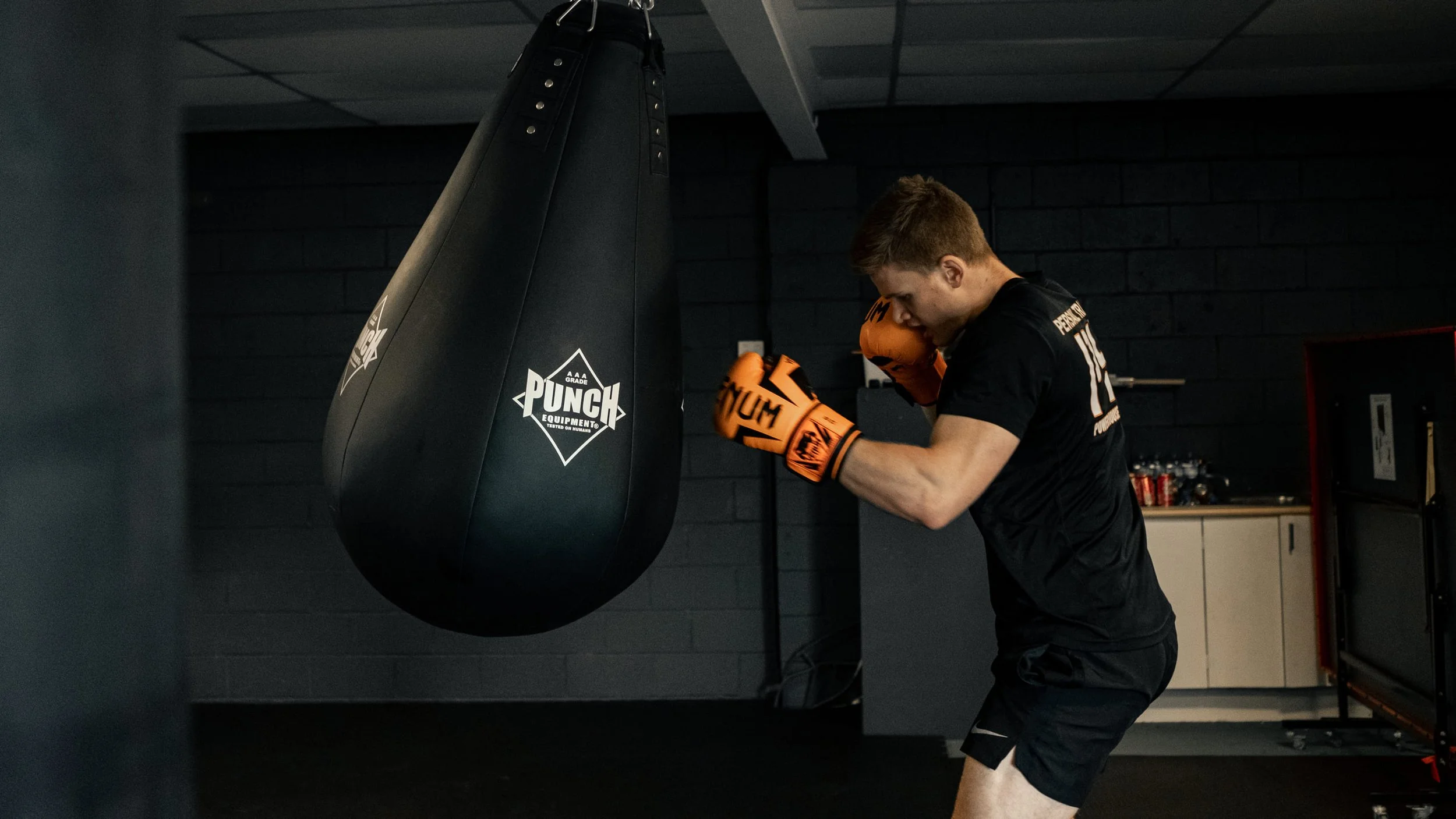
2. Weight-bearing impact activity exposes bone to brief, higher-rate forces. Depending on the person, this might range from purposeful stomps and heel drops to hops, jumps or running. Impact is not appropriate for everyone and should be selected according to fracture risk, joint health, experience and medical guidance.
3. Balance training may not directly increase bone density to the same degree, but it helps reduce the likelihood of falling — and therefore the likelihood that low bone density becomes a fracture.
Why supervision can matter
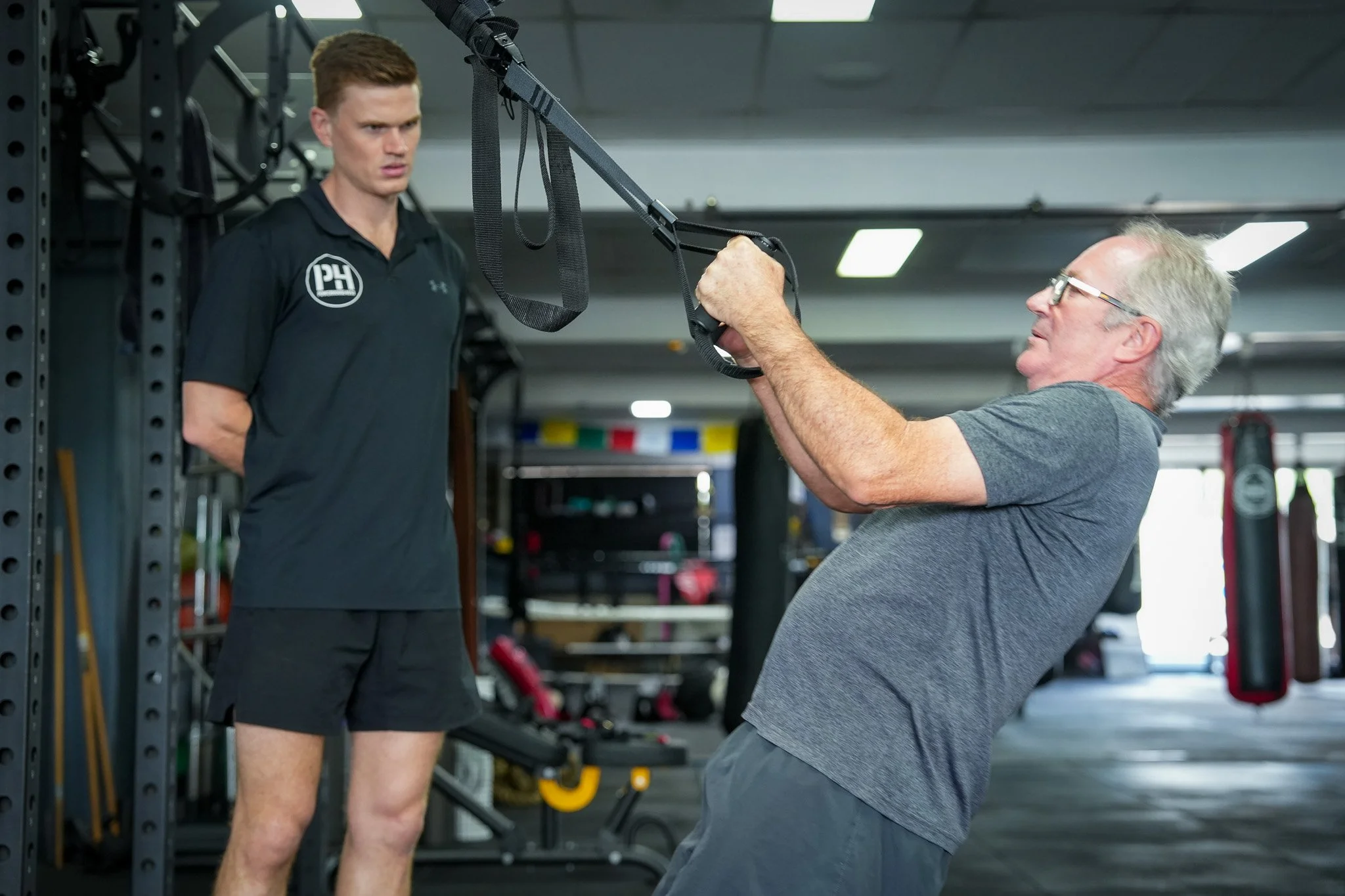
People with diagnosed osteoporosis, previous fragility fractures, significant spinal changes or a high risk of falling may require individual clinical guidance before beginning impact or heavy resistance training. The goal is not to avoid loading forever. It is to choose the right type, dose and progression for the person.
For generally healthy adults, building strength before bone density becomes a major concern is a powerful long-term strategy.
The takeaway
Strong bones need more than supplements and walking. They need regular, appropriately progressed loading. Resistance training builds the muscular system that supports your skeleton; impact provides a bone-specific stimulus; and balance training helps protect the result.
Ready to build strength for the life you love?
Book a discovery call with Limitless Personal Performance to discuss your goals, training history and the coaching option that best fits your life.
More articles you may like