the learning centre
get the most out of your training
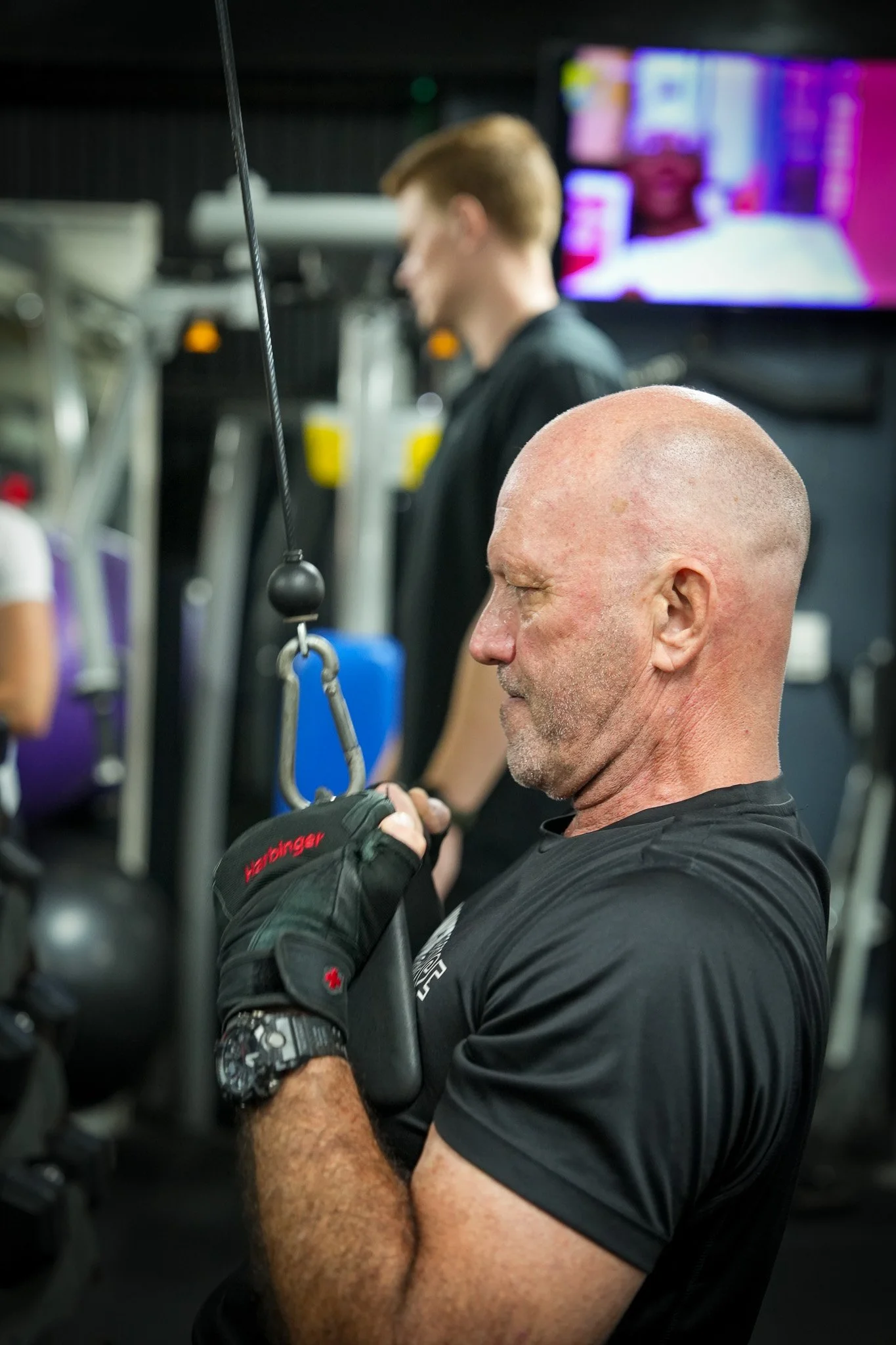
How Strength Training Supports Heart Health
Walking, cycling and running are excellent for heart health, but resistance training also contributes. Current cardiovascular guidance supports strength training as part of a complete exercise plan.
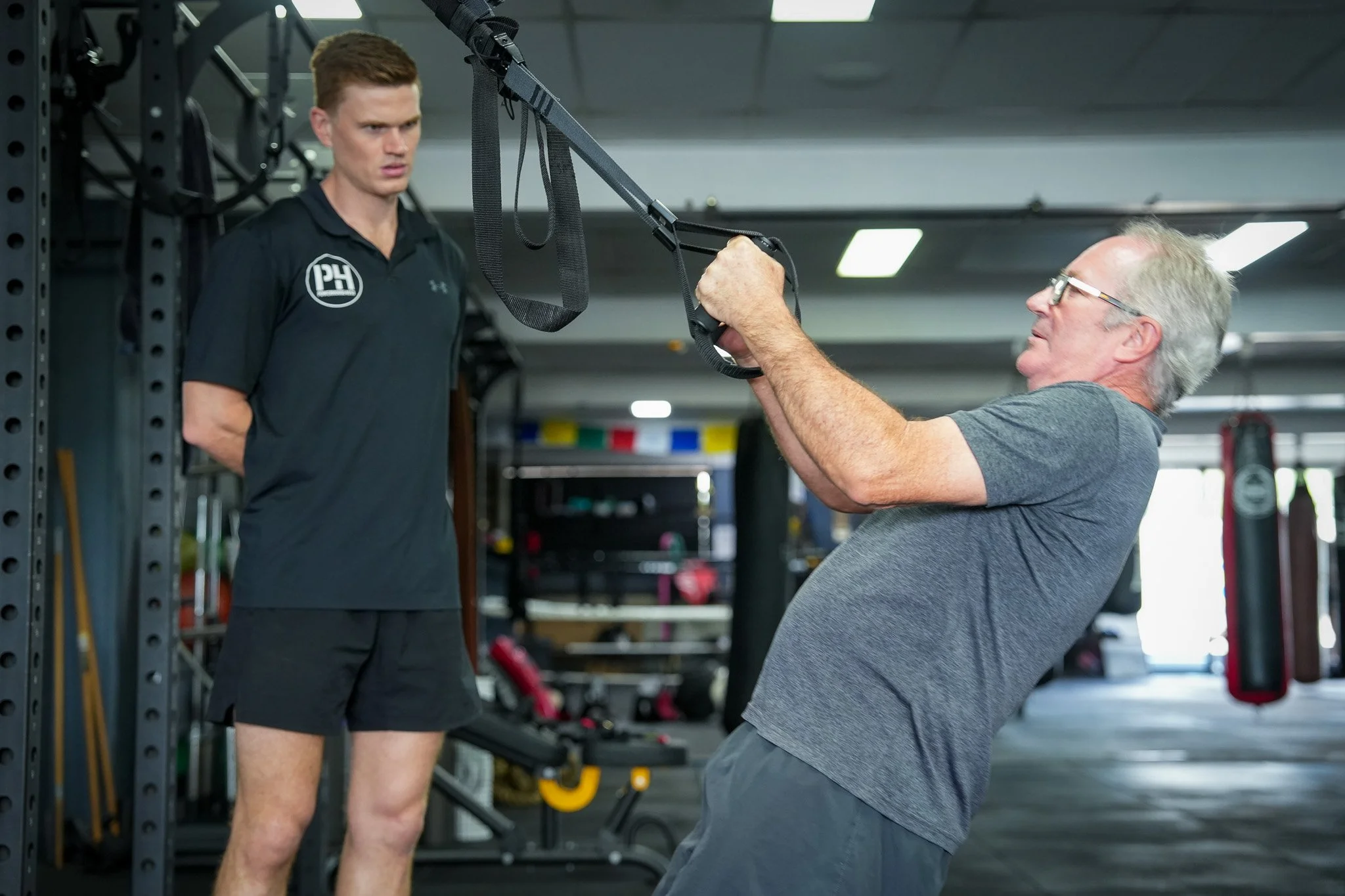
Why Recovery Matters More as You Get Older
Getting older does not mean you need to stop training hard. It means recovery deserves more attention. Sleep, nutrition, stress, training load and session spacing all influence whether exercise builds you up or simply leaves you tired.

Strength or Cardio: Do You Really Need Both?
Cardio trains your ability to keep going. Strength training builds the force and tissue capacity that help you move well. For long-term health and performance, the question is usually not which one is better — it is how to combine them.
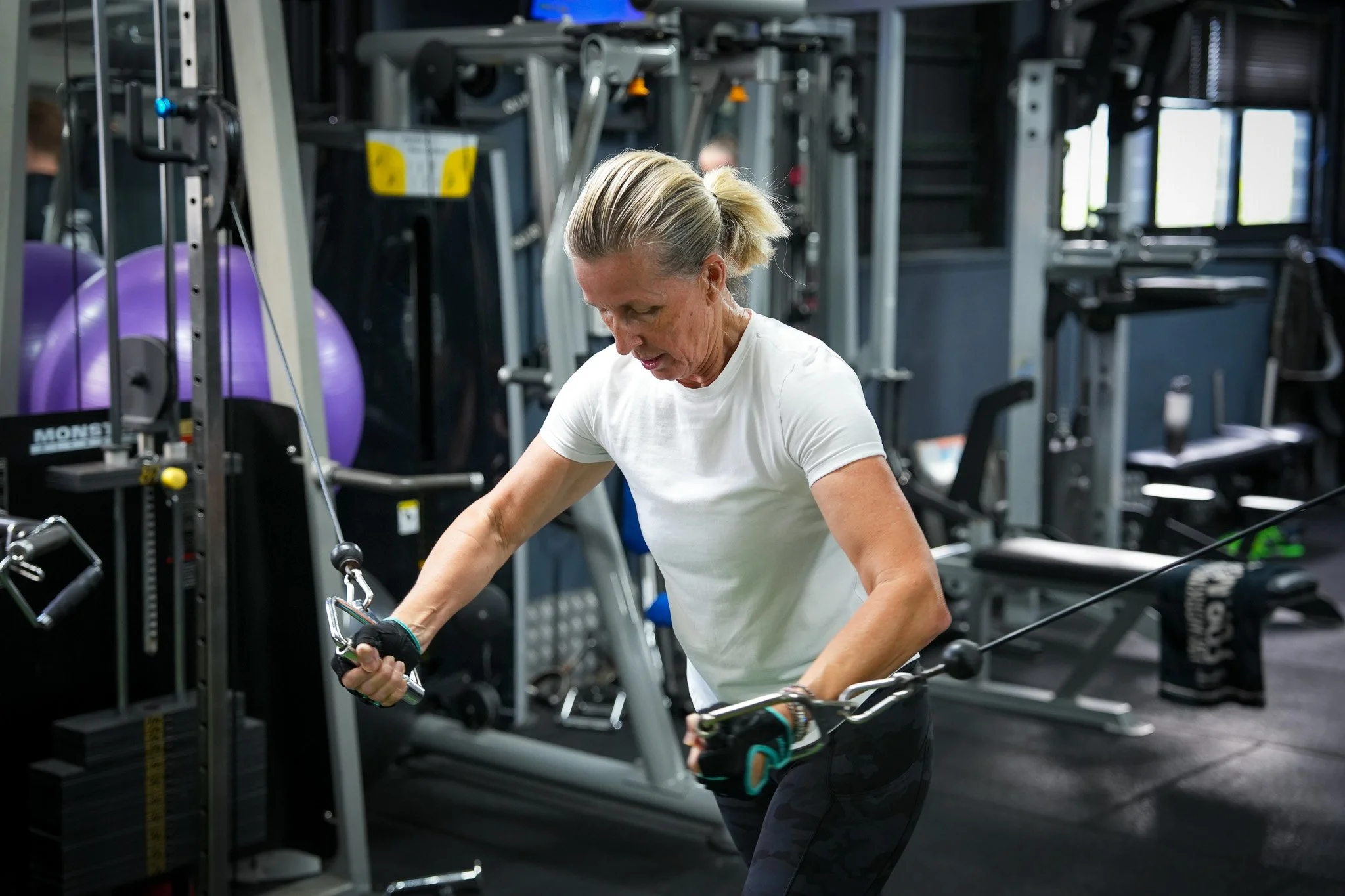
Why Strength Training Helps You Stay Active for Longer
The goal of strength training is not simply to lift heavier weights. It is to make the rest of life feel more manageable — from hiking and travel to gardening, sport and keeping up with family.
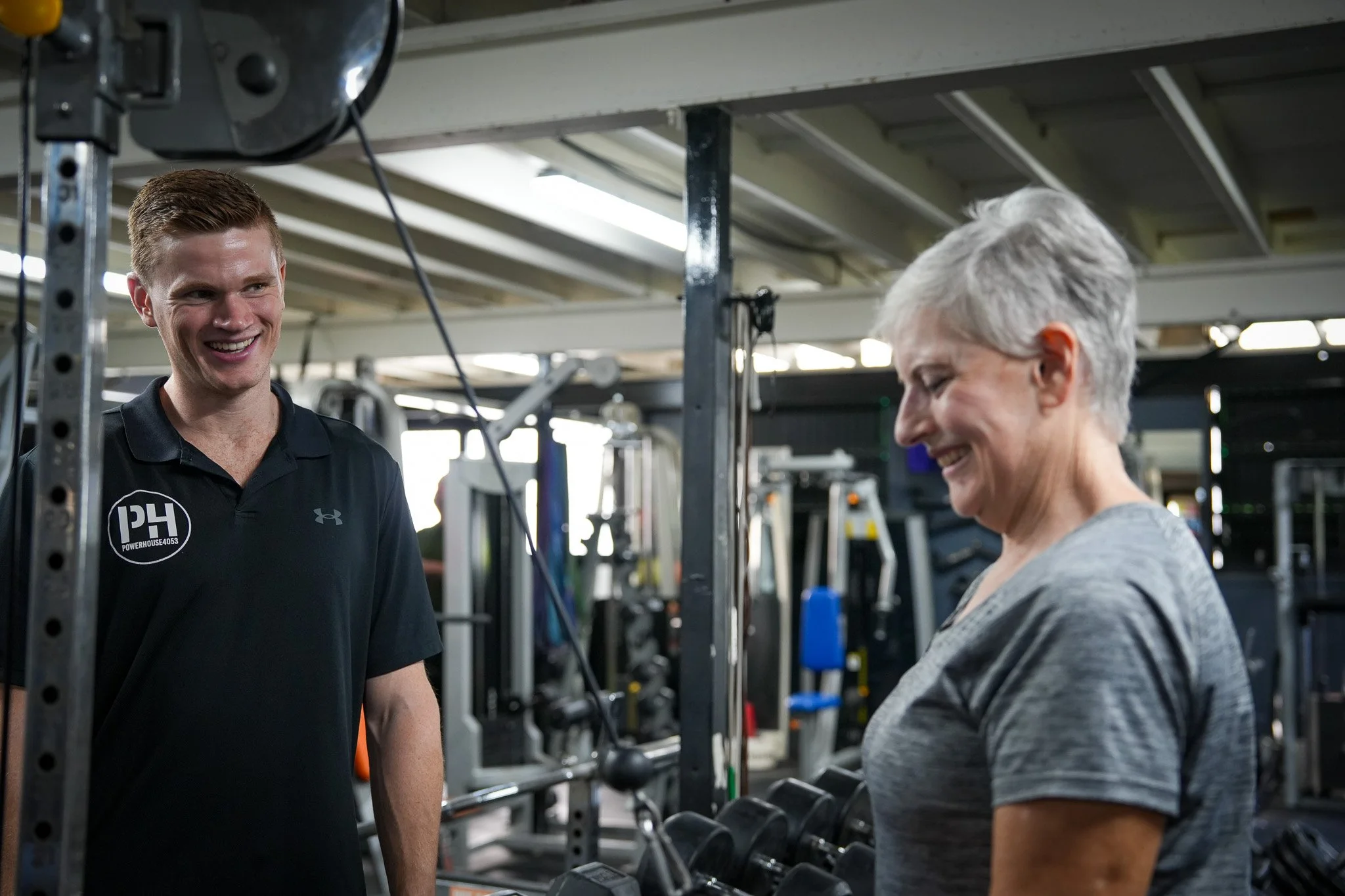
Can You Build Muscle After 50?
Turning 50 does not remove your ability to build muscle. Progress may require more attention to training quality, nutrition and recovery, but older muscle remains adaptable.
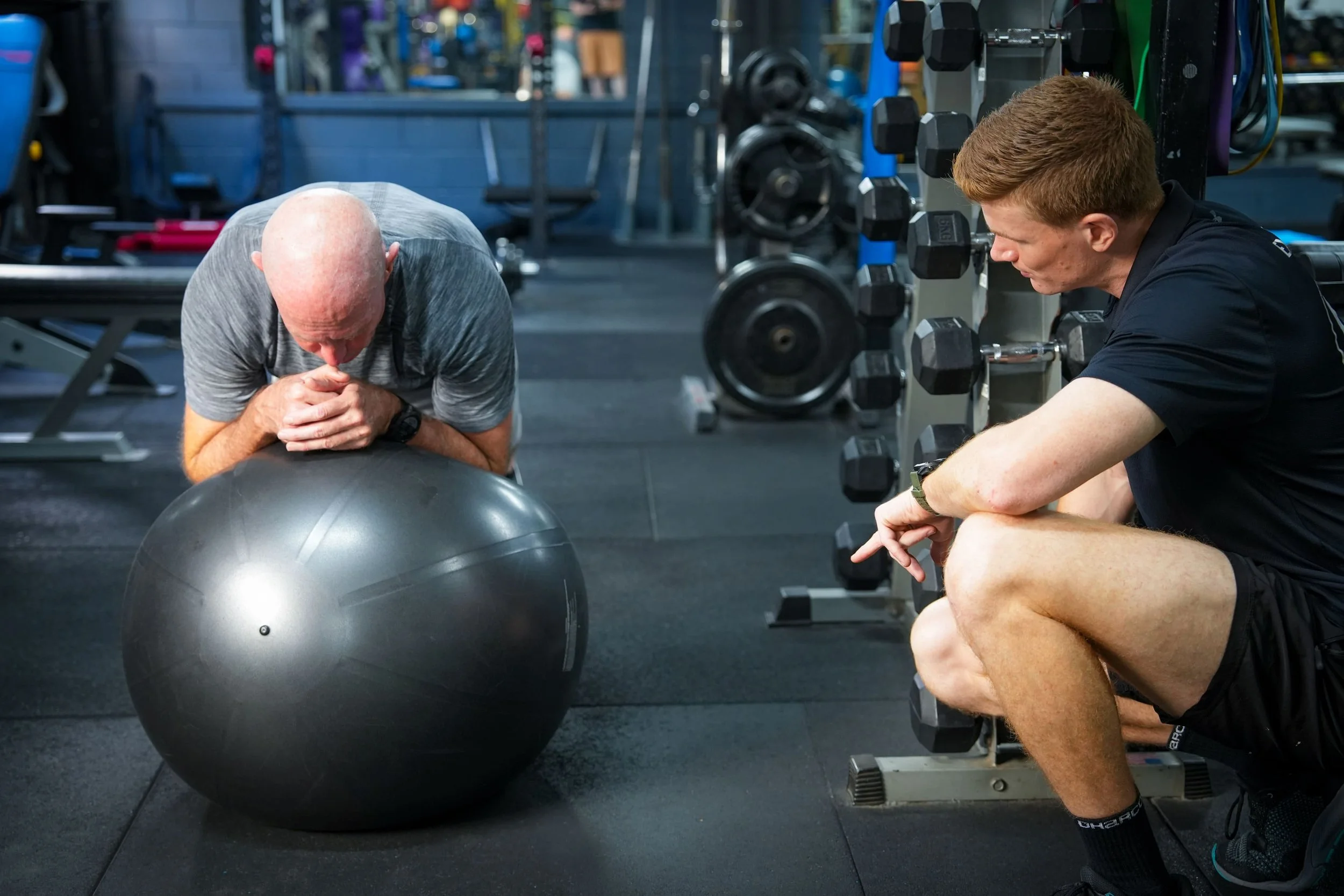
Why Balance Training Becomes More Important as You Age
Strong legs are important, but balance is a skill that must also be challenged directly. The best falls-prevention programs combine strength with progressive balance and functional training.
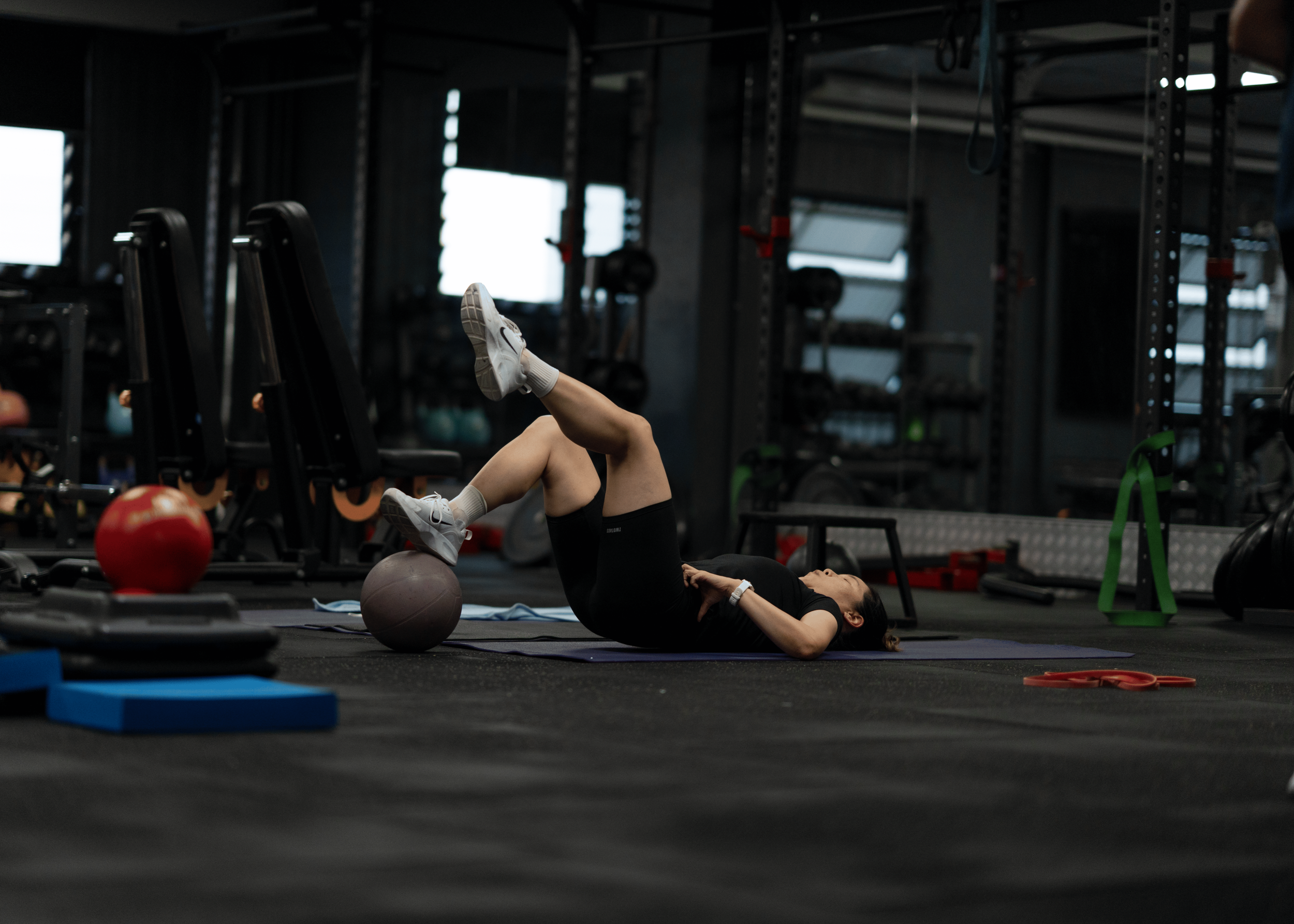
Why Every Runner Should Strength Train
Running improves your ability to run, but it does not automatically build every quality your body needs to tolerate higher mileage, hills, speed and fatigue. Strength training helps build the physical capacity behind better running.
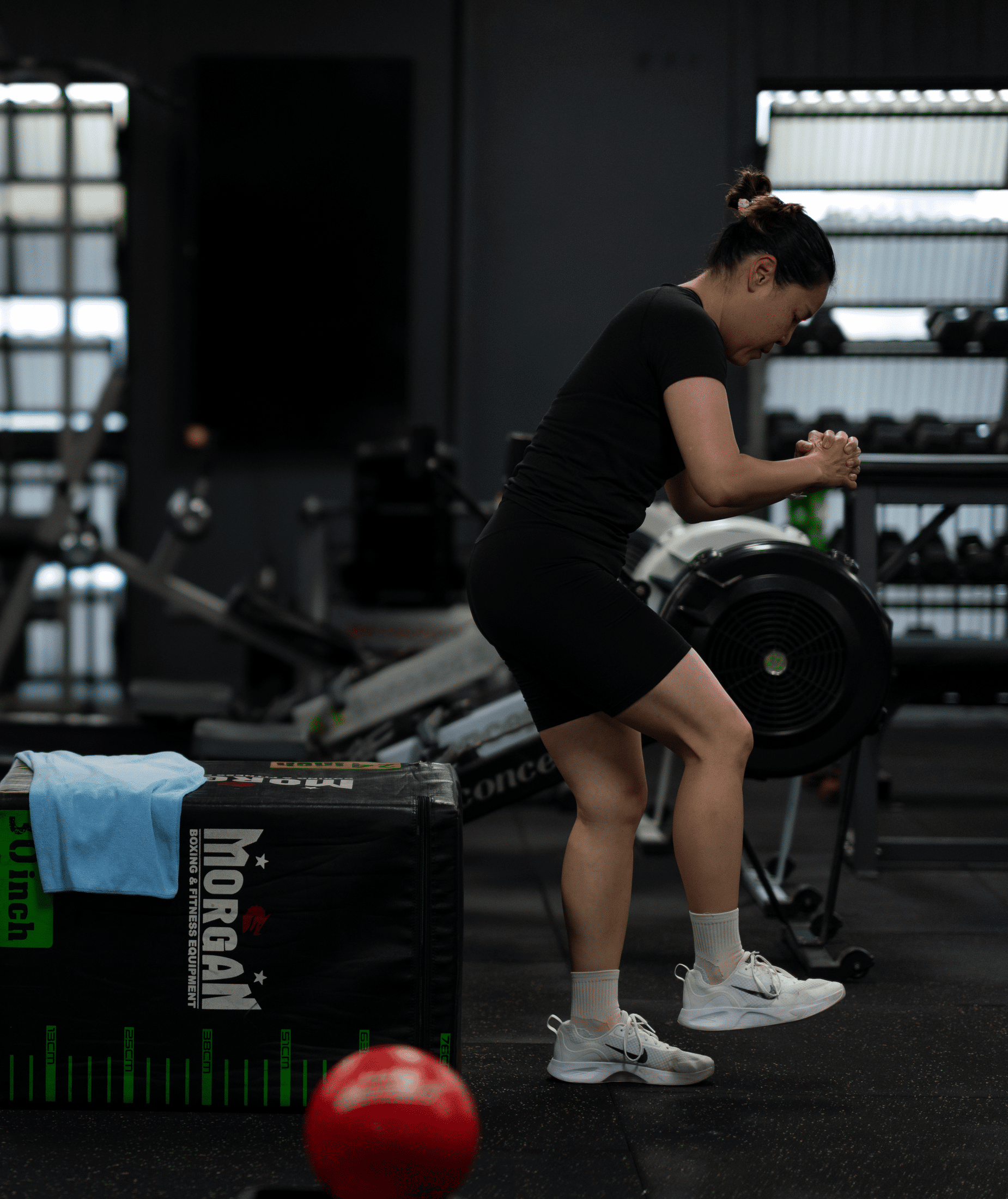
Why Exercise Helps Knee Arthritis
Knee arthritis does not automatically mean you should stop loading the joint. Appropriately selected exercise can improve pain, function and confidence, even when scans show structural change.
How Resistance Training Supports Healthy Bone Density
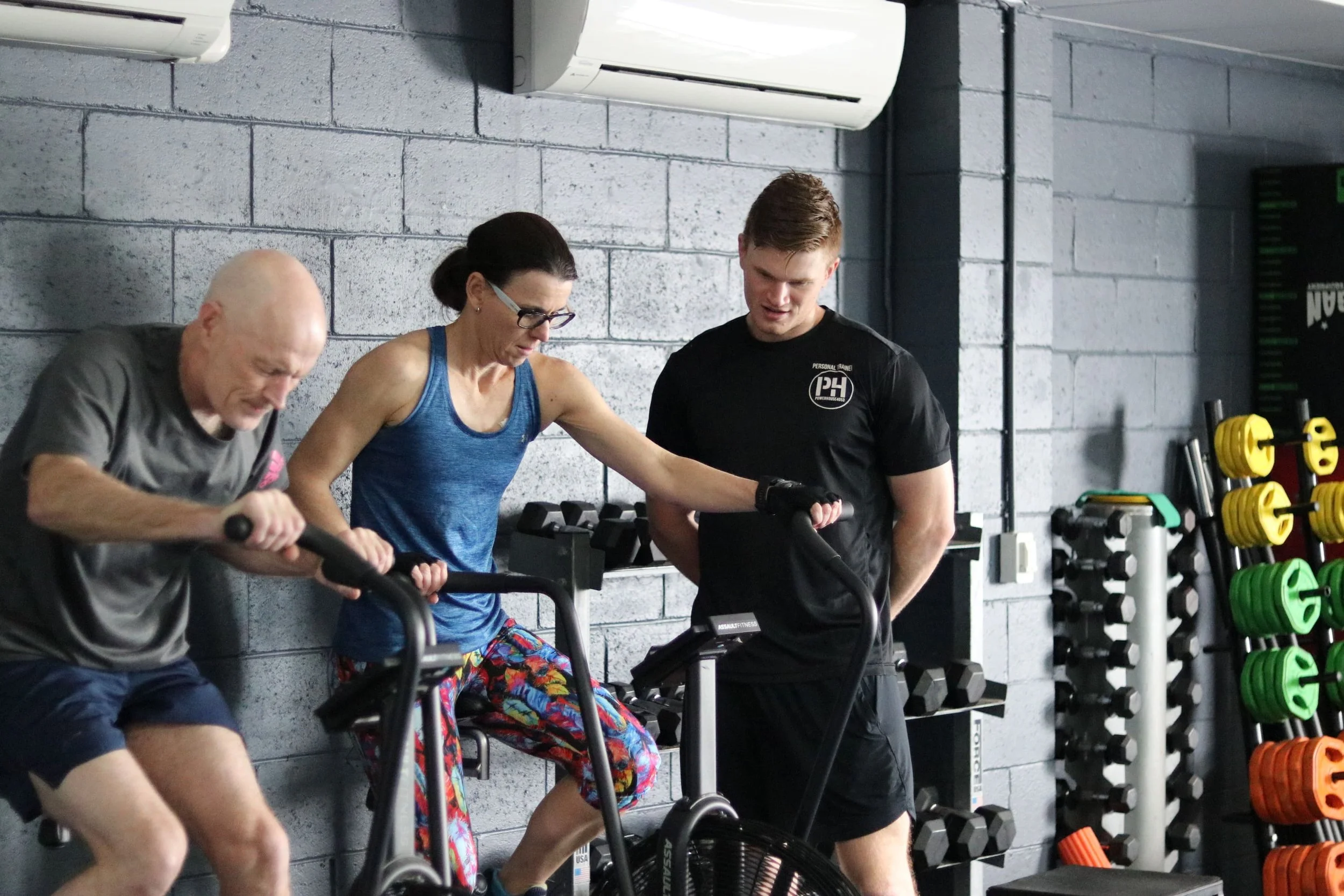
Bone is living tissue that responds to load. Walking is valuable, but improving bone strength usually requires a more targeted combination of progressive resistance training, appropriate weight-bearing impact and balance work.
Why Muscle Loss Starts After 30 — and What You Can Do About It
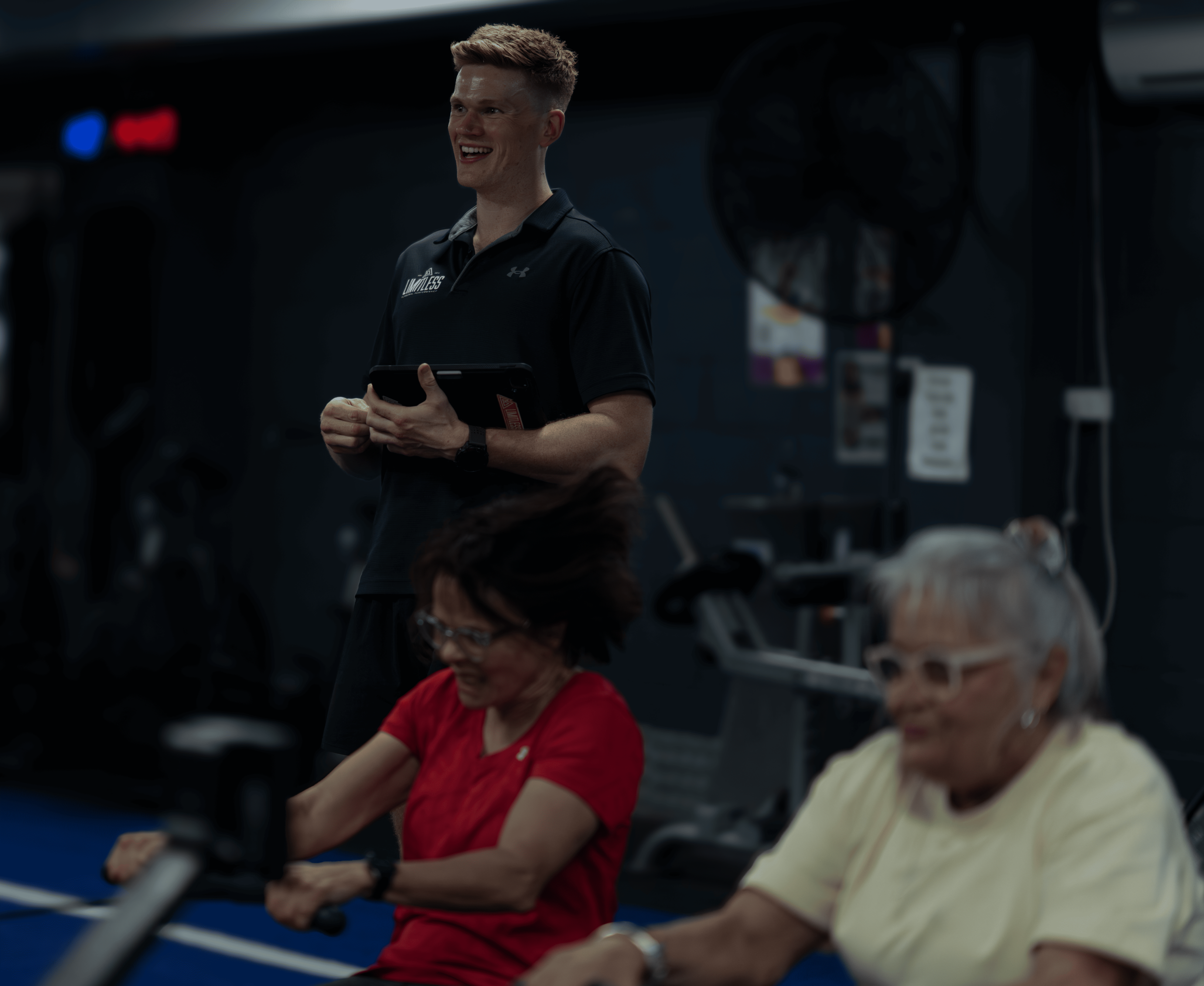
Muscle loss is not something that suddenly begins in old age. It can start gradually from around your 30s, especially when activity levels fall. The good news is that muscle remains highly trainable, and regular resistance training can meaningfully slow — and often reverse — the decline.

Lower Back Pain, Tightness and Causes
Sick of getting into the gym and making a little bit of progress before feeling that dreaded lower back pain, forcing you to either rest or go lighter? Or maybe you have been resting after a recent flare up, and yet again as you were playing with the kids or doing a simple task you’re back on the couch... resting... yet again!

Neck, Shoulder and Back Pain from sitting still?
When you sit down for long periods of time do you feel discomfort in your neck, shoulder and or back? Sitting still for 6, 8 plus hours a day isn’t great, and I can almost guarantee that either your neck, shoulders or back doesn’t feel great by the end.

From the Gym to the Track: How Weight Training Can Help Prevent Injuries in Runners
Running is a high-impact exercise that places a lot of stress on the body, particularly on the muscles and joints of the legs and feet. As such, it's important for runners to not only develop the necessary cardiovascular endurance to sustain their activity, but also to build up muscular strength and stability in order to prevent injuries and improve performance.